High Viz Jackets is a handmade collage of iPhone photographs taken at my Dad’s house in 2022. My dad was always having domestic accidents. One time when I was visiting, in 2019, he cut his calf with a log as he made a fire. It was a deep cut so we dressed it well with…
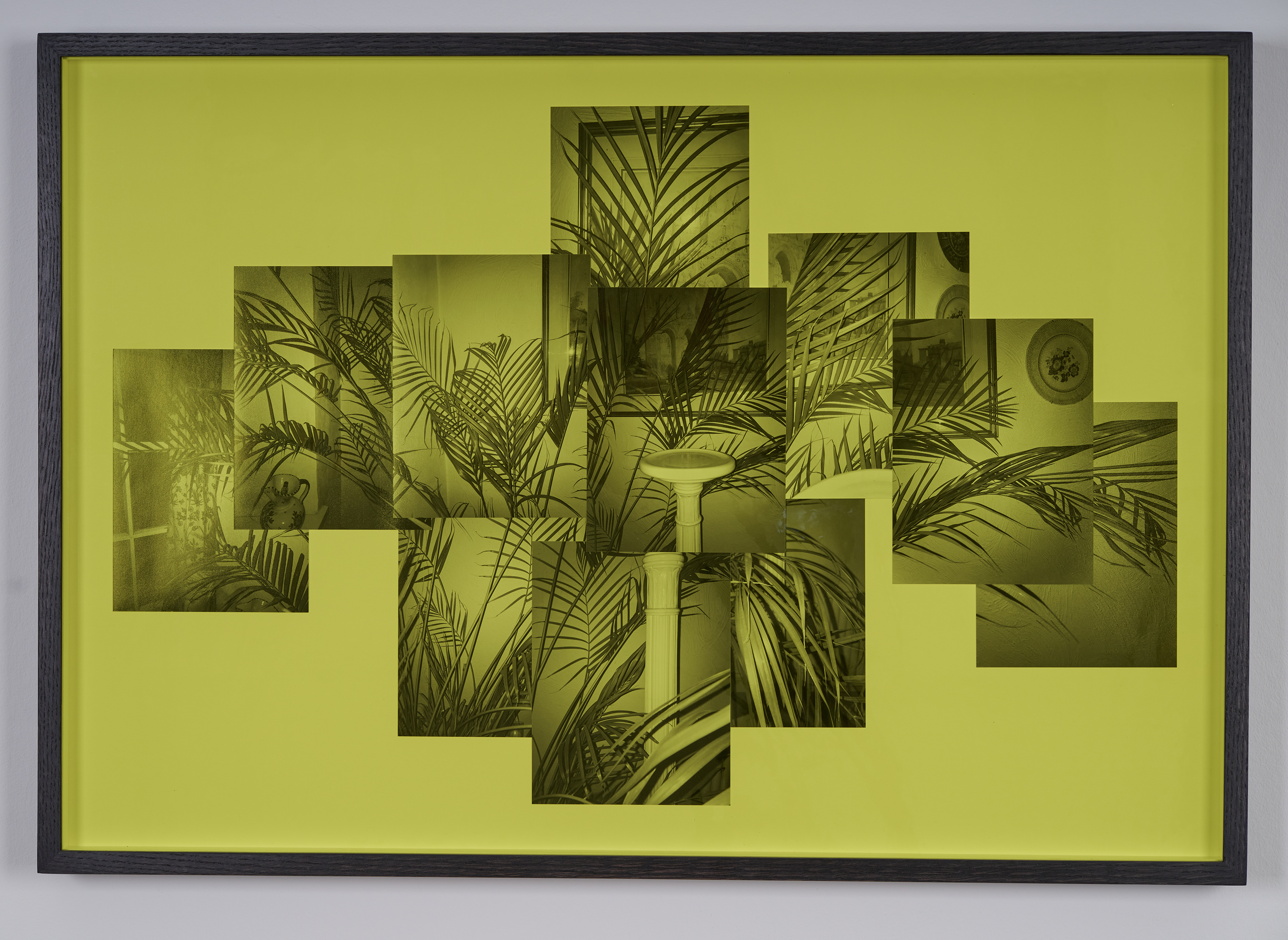
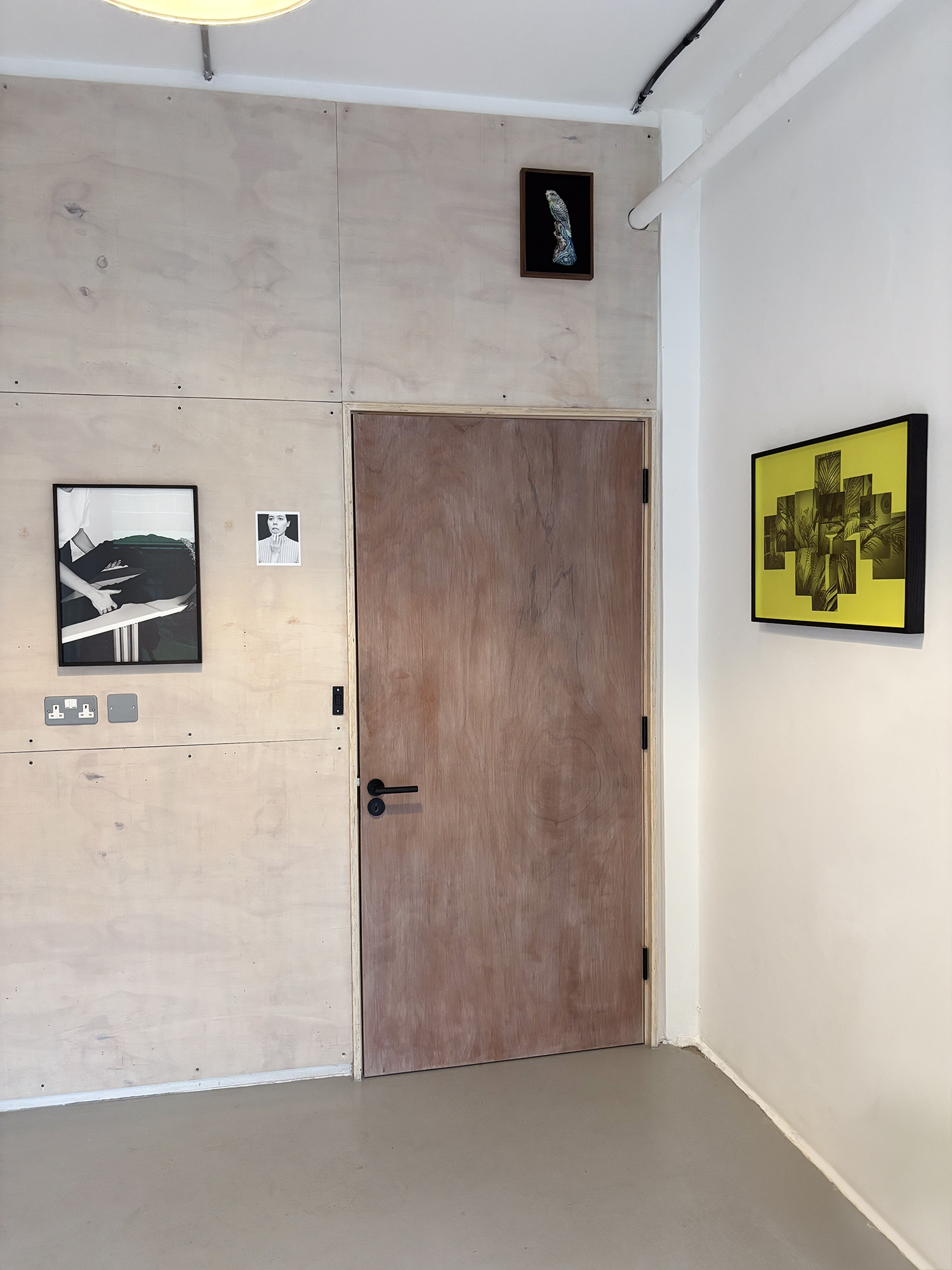
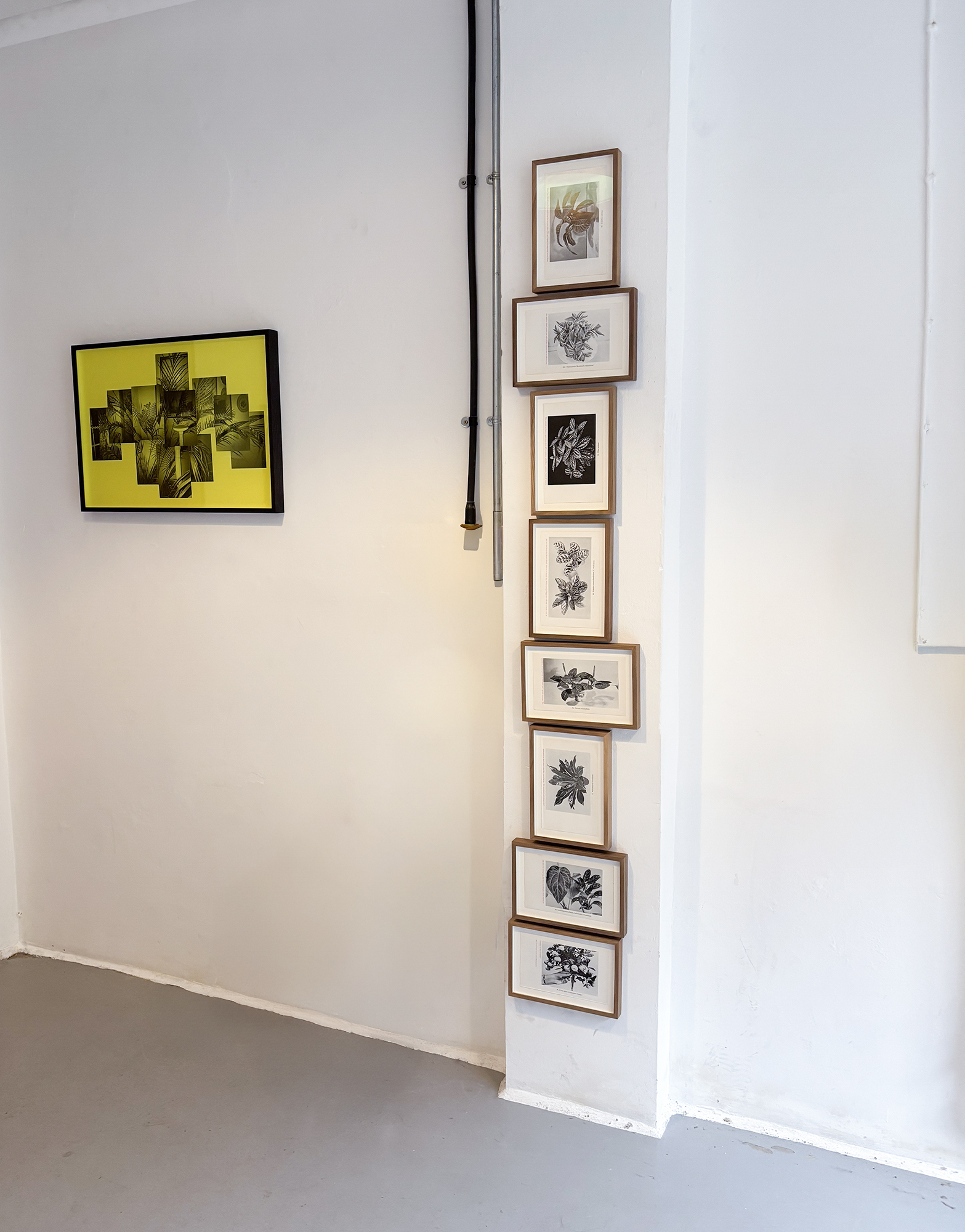
High Viz Jackets is a handmade collage of iPhone photographs taken at my Dad’s house in 2022.
My dad was always having domestic accidents.
One time when I was visiting, in 2019, he cut his calf with a log as he made a fire. It was a deep cut so we dressed it well with antiseptic cream and a large plaster. He woke up in the night drenched in blood, and ran about the house in a panic. It was like a murder scene. Because of his regular medication (blood thinners) it wouldn’t stop bleeding. We called 999 and they told us how to make a tourniquet and asked us to bring him in. The road outside his house had been dug up for repairs and his car was parked some way away. We wheeled him to the car in his office chair, and he kept spinning round as we weaved through the roadworks. Each time he completed a circle he waved at us, covered in blood.
Another time, when I wasn’t there, he fell over on the kitchen floor and couldn’t get up. He had hit his head, which again started bleeding. The carer would be visiting but not for a couple of hours so he needed a way to pass the time. After practicing French verbs, he listed his ‘frangologies’ as he calls them, words that are the same in French and English: important, question, ambulance, accident, horrible, patient, situation, problem, operation, injection, doctor, insurance, prescription. When I spoke to the doctor later, she told me that my dad kept saying that “pain has let me down” and she didn’t understand what he meant. When I asked my dad later, he said, “not pain! pain!” (as in French for bread).
This time he had tripped on a rug and dislocated his shoulder. They kept him in hospital because by then he was 92 years of age. I had just arrived at his house and was doing some cleaning as I waited for visiting hours to start. Some men in high vis jackets knocked on the door. ‘We are delivering the hospital-from-home-bed’ they said. I did not know about this. Once I had signed for it, they carried it into the house without removing their heavy boots. The bright yellow glare of their jackets indoors felt harsh and inappropriate, like the house had been turned inside out, and was suddenly part of public life. Almost immediately they began moving furniture around. One of them was on the phone the whole time through his headphones. He said ‘yeah I’m just doing a delivery’ and then his jacket caught on an ornament and it fell and broke. His delivery was my grief.
They moved the dining room table to make way for the bed and then began to move a large potted Sago palm to make a space for the bedside table. I felt an urgency then to make a record of that moment, before the plant – which had been in the same place for about 40 years, slowly taking over the room – was moved. I understood then that things would never be the same again.
The arrival of the hospital-from-home-bed set off a chain reaction around the house. The bed was the same size as the dining room table, and replaced it exactly, so my dad was now sleeping where we used to eat dinner. The table was moved into the lounge which was where the carer slept, so she moved into my room and I moved into my dad’s room. My dad ate in bed and me and the carer ate standing up in the kitchen, and we watched TV together on a laptop in the hall by the front door.
Perhaps something of that re-arrangement is reflected in the composition of the image, a refusal of photography’s idea of a central, stable subject. For me this fragmented image – which overlaps and intersects with itself – begins to disrupt the ordered space of photography.