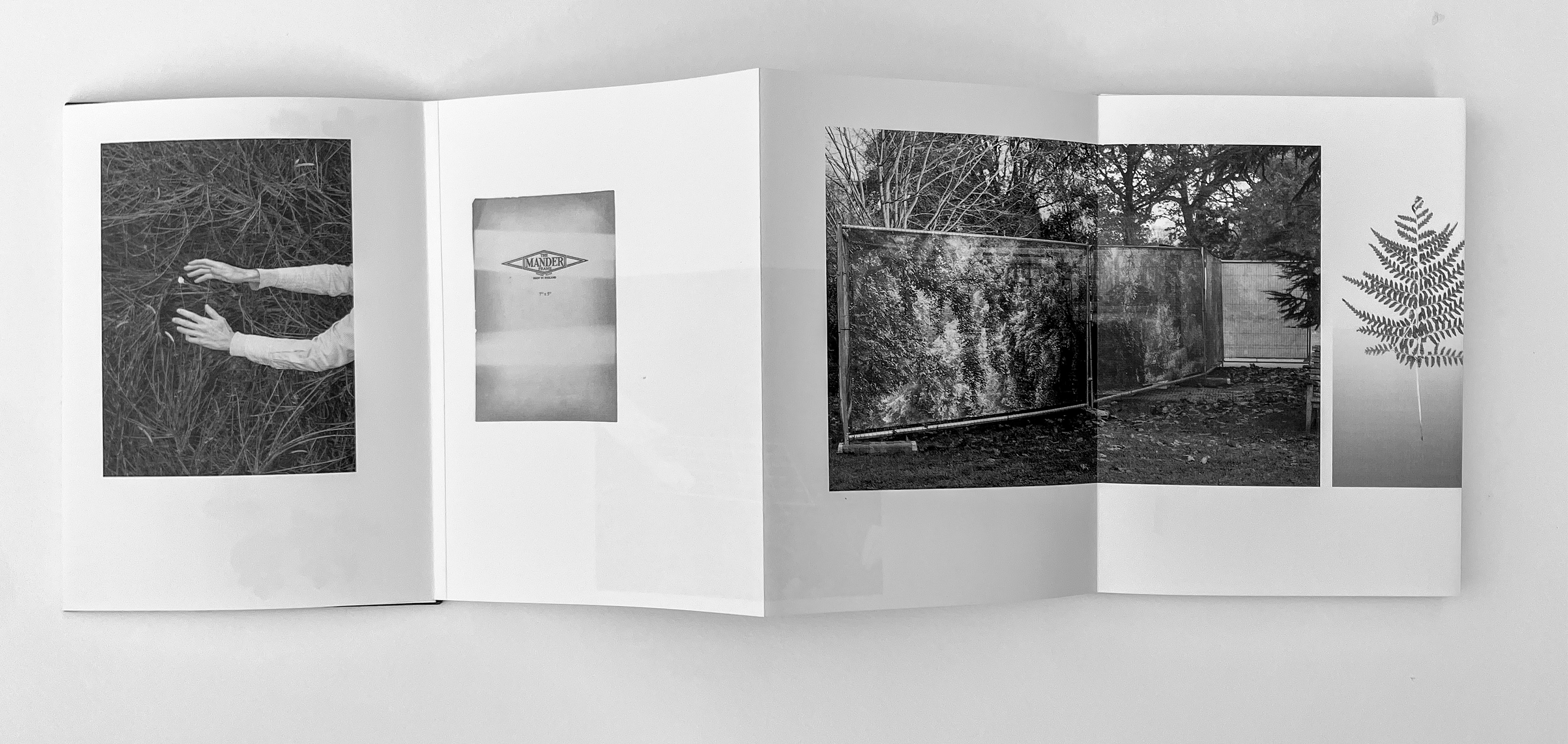
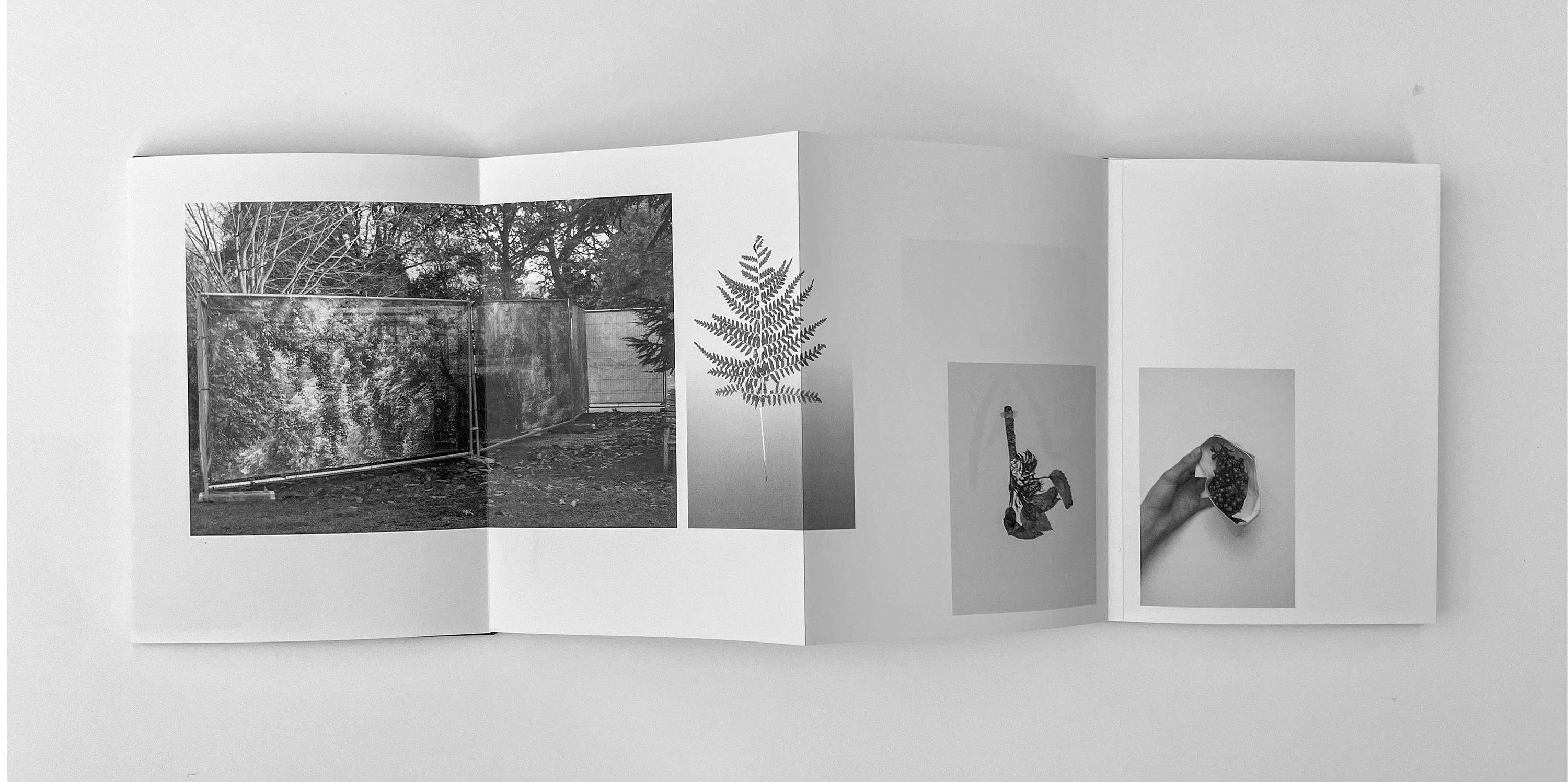
The Herbarium of Extinction began as a project in 2014 when Orton joined a search for the Ghost Orchid, a critically endangered plant that hasn’t been seen in the UK since 2009. Named because of its floating ethereal white flowers, the Ghost Orchid is feared extinct, but has been known to go for as long…
The Herbarium of Extinction began as a project in 2014 when Orton joined a search for the Ghost Orchid, a critically endangered plant that hasn’t been seen in the UK since 2009. Named because of its floating ethereal white flowers, the Ghost Orchid is feared extinct, but has been known to go for as long as 37 years between flowering, so may be dormant. This search led to a broader inquiry – taking in archives, walks and botanic encounters – and to the creation of an artist’s herbarium of extinct and critically endangered plant species.
Plant extinctions, which can be abrupt or slow, are often unobserved. They are rarely documented and hard to verify. How can we prove that something no longer exists? Currently, loss of plants species is estimated at 500 times the natural background rate, one indication among many that we are in an era of mass extinction. Though we depend on plants for survival, many of us are plant blind, a term that has emerged recently to describe our failure to truly see or know plants.
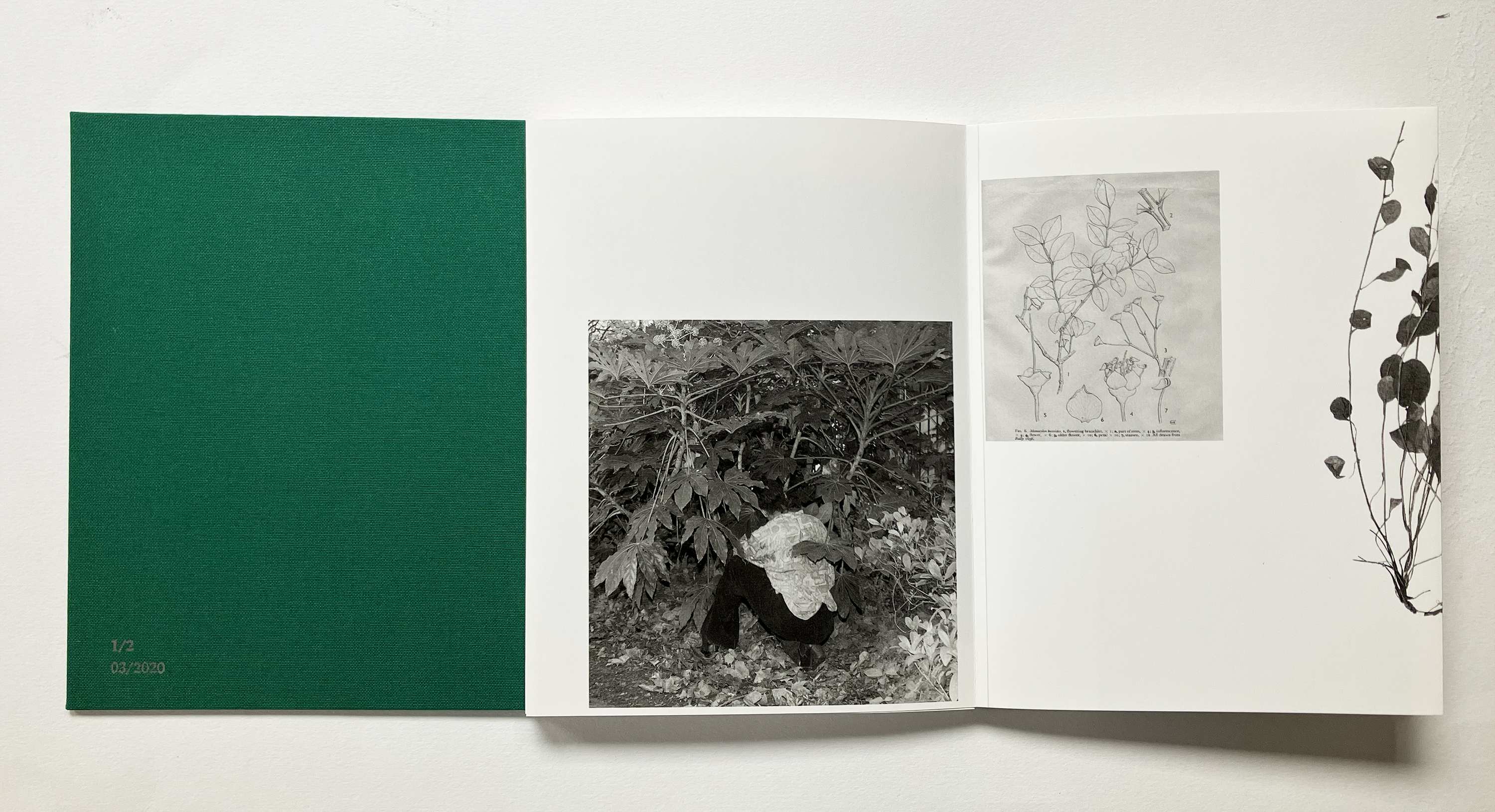
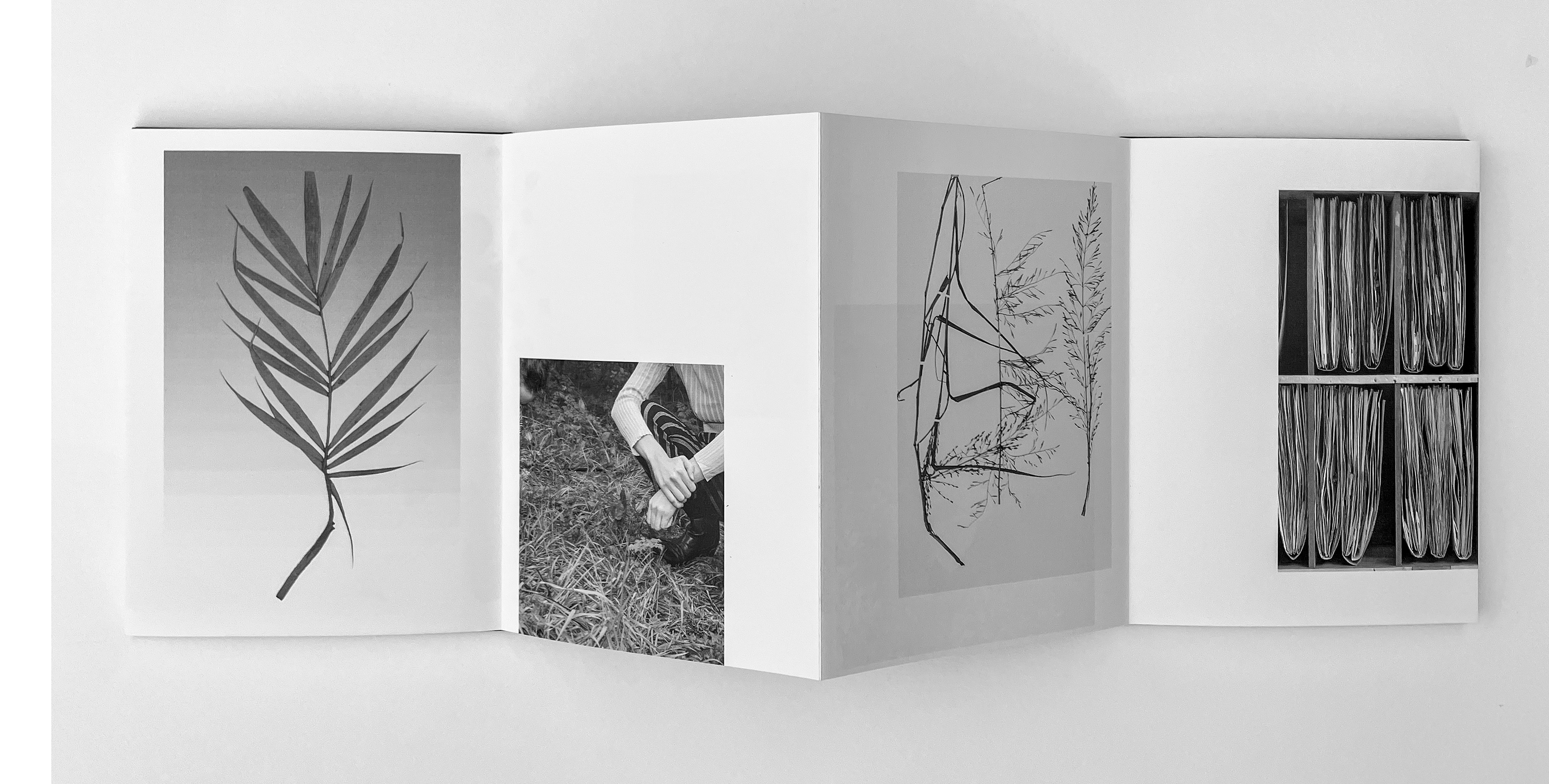
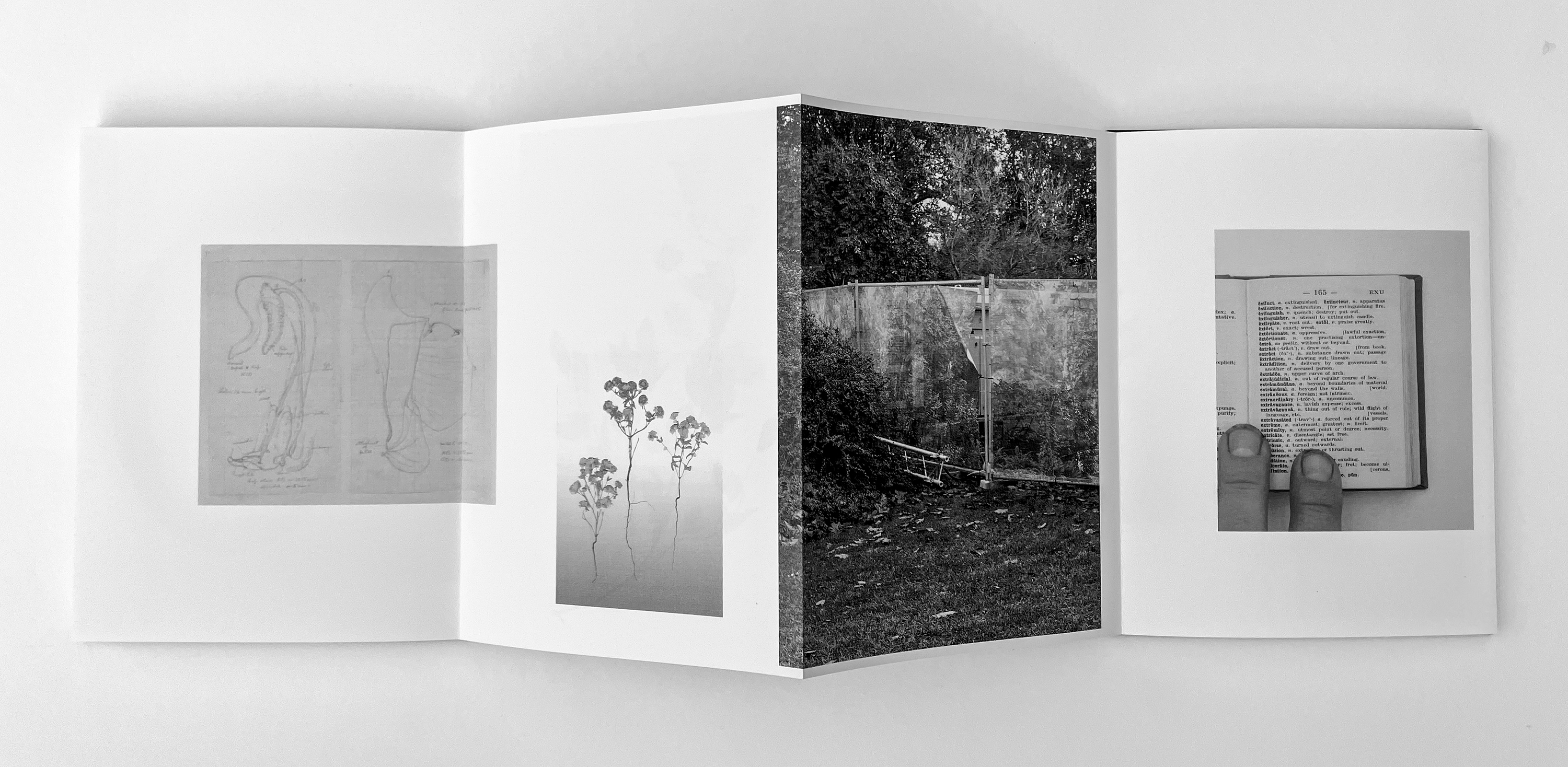
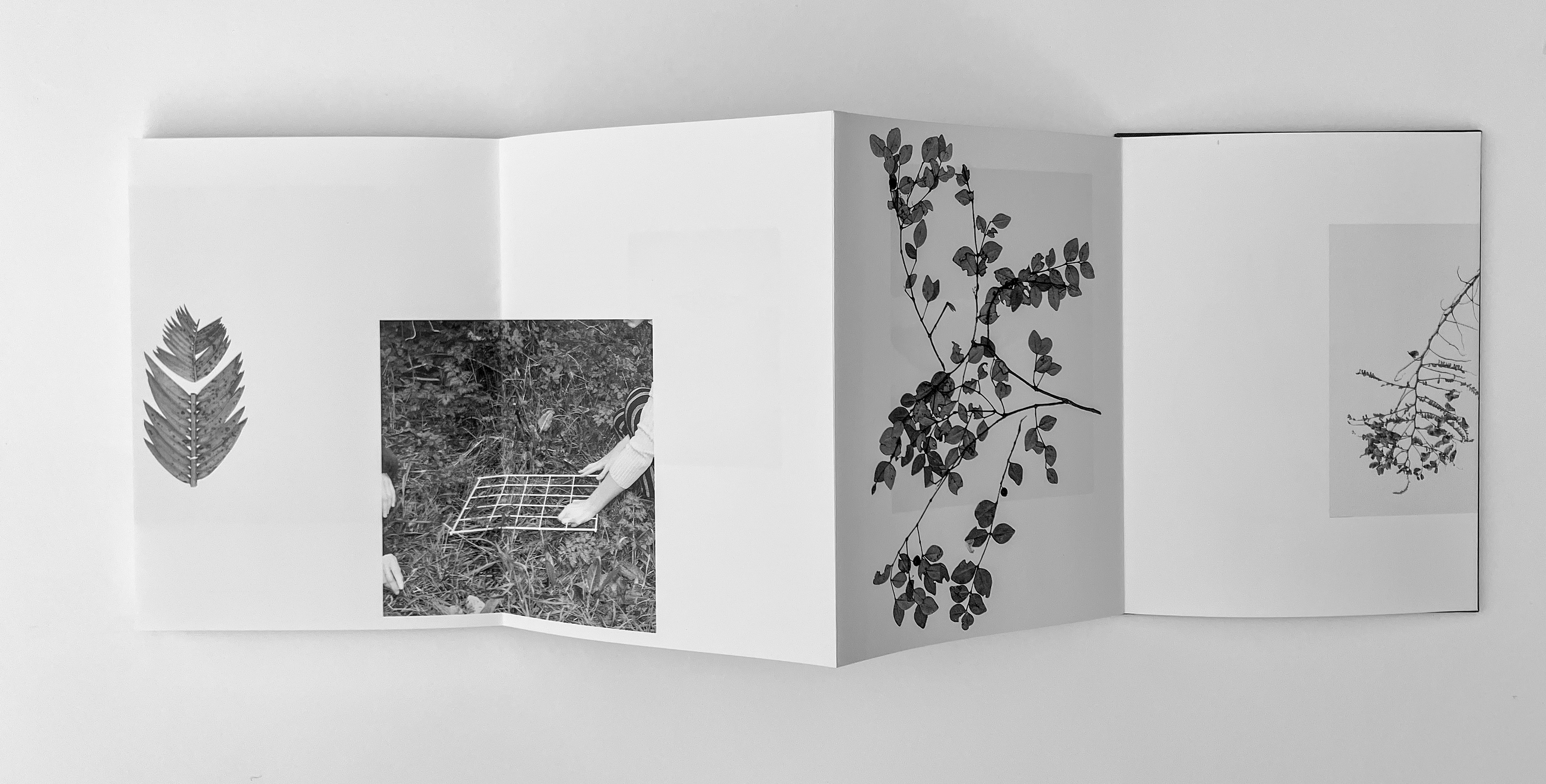
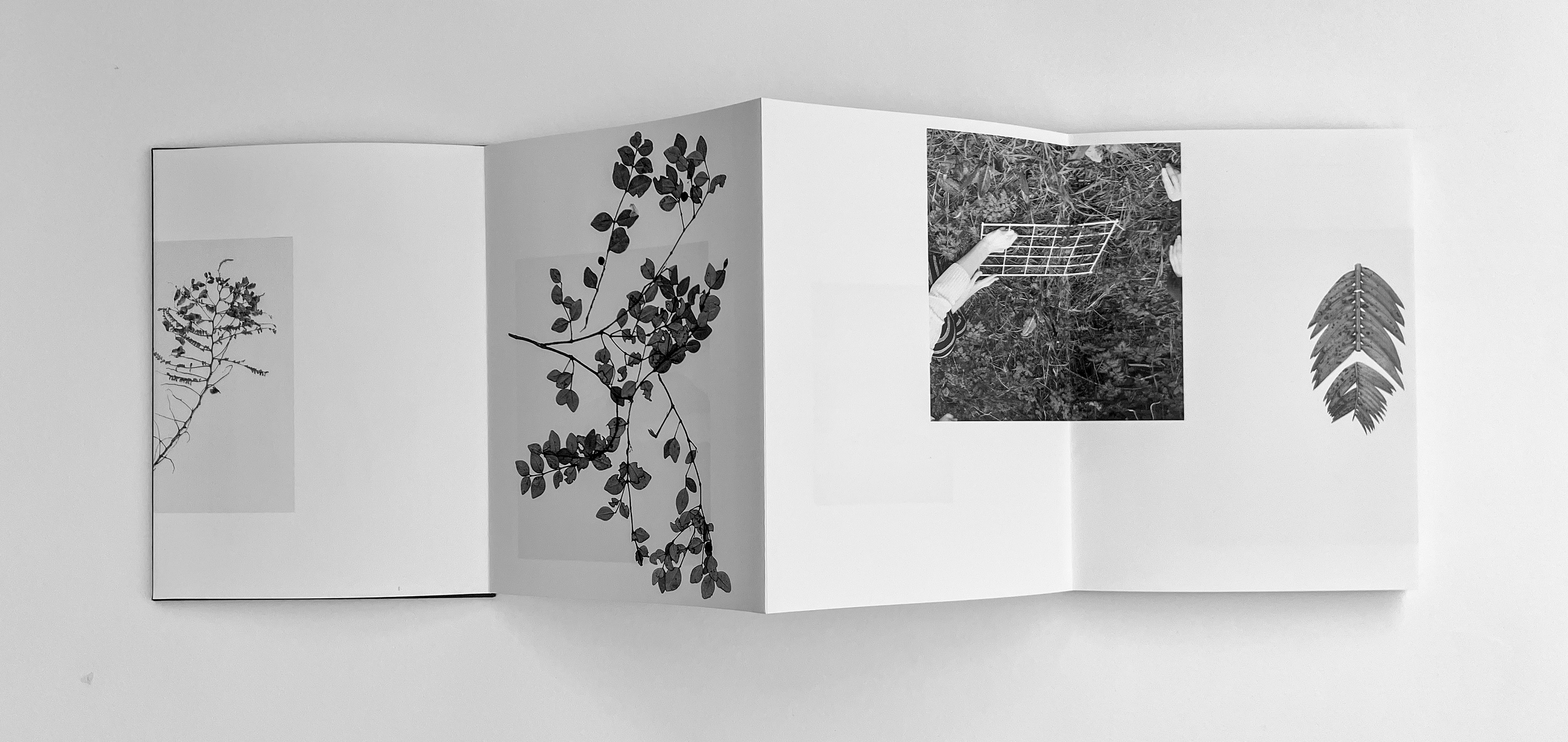
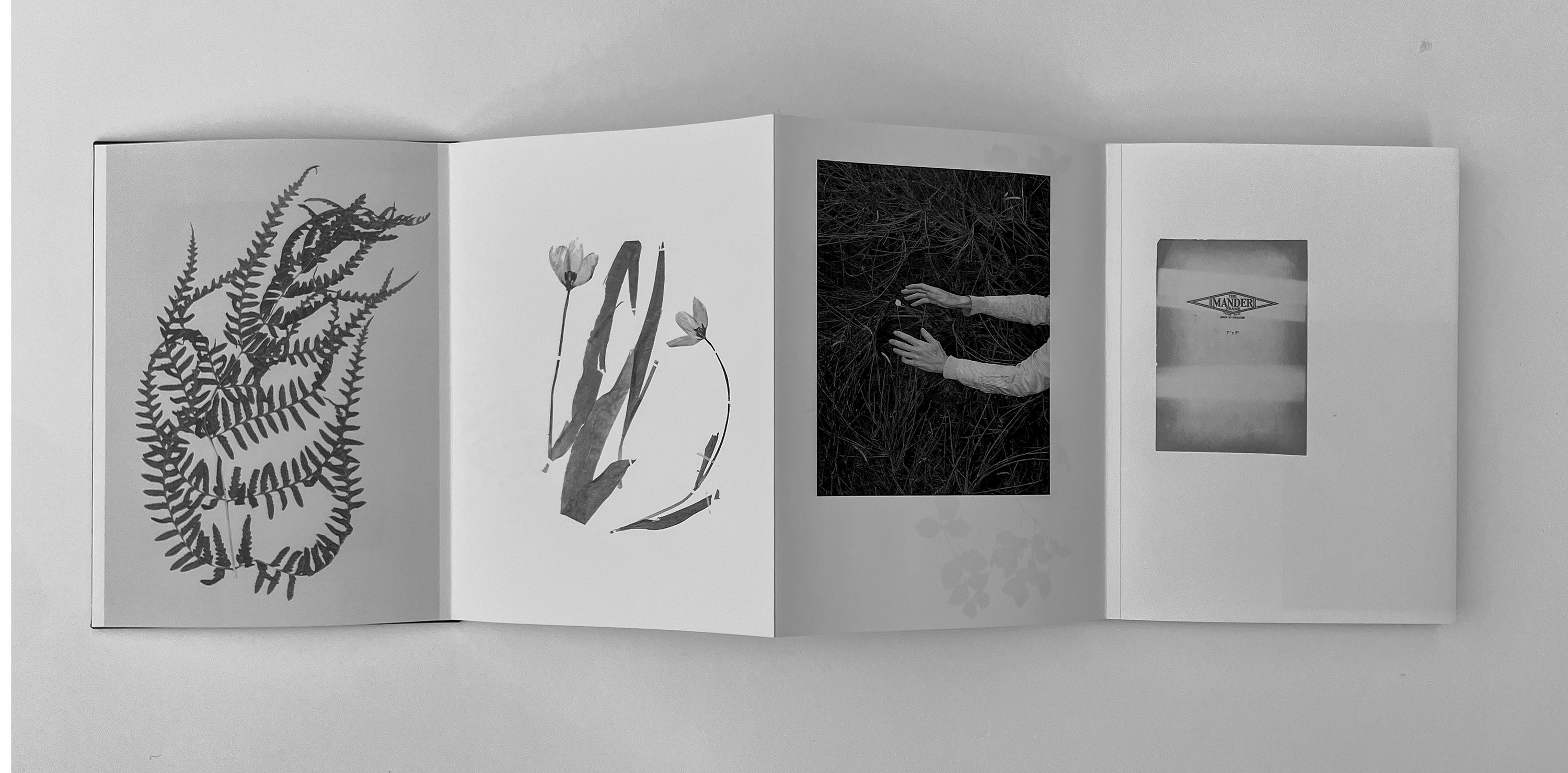
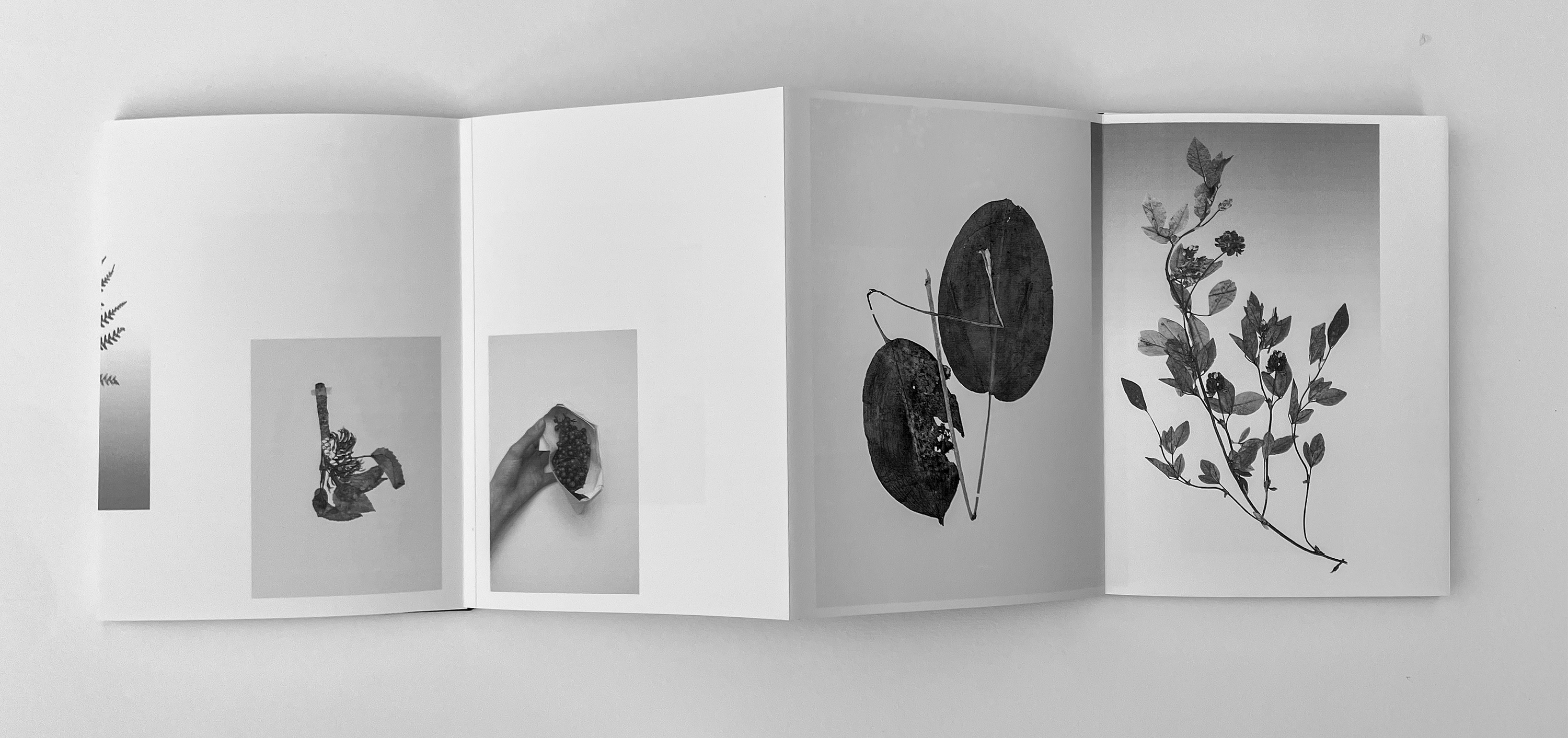
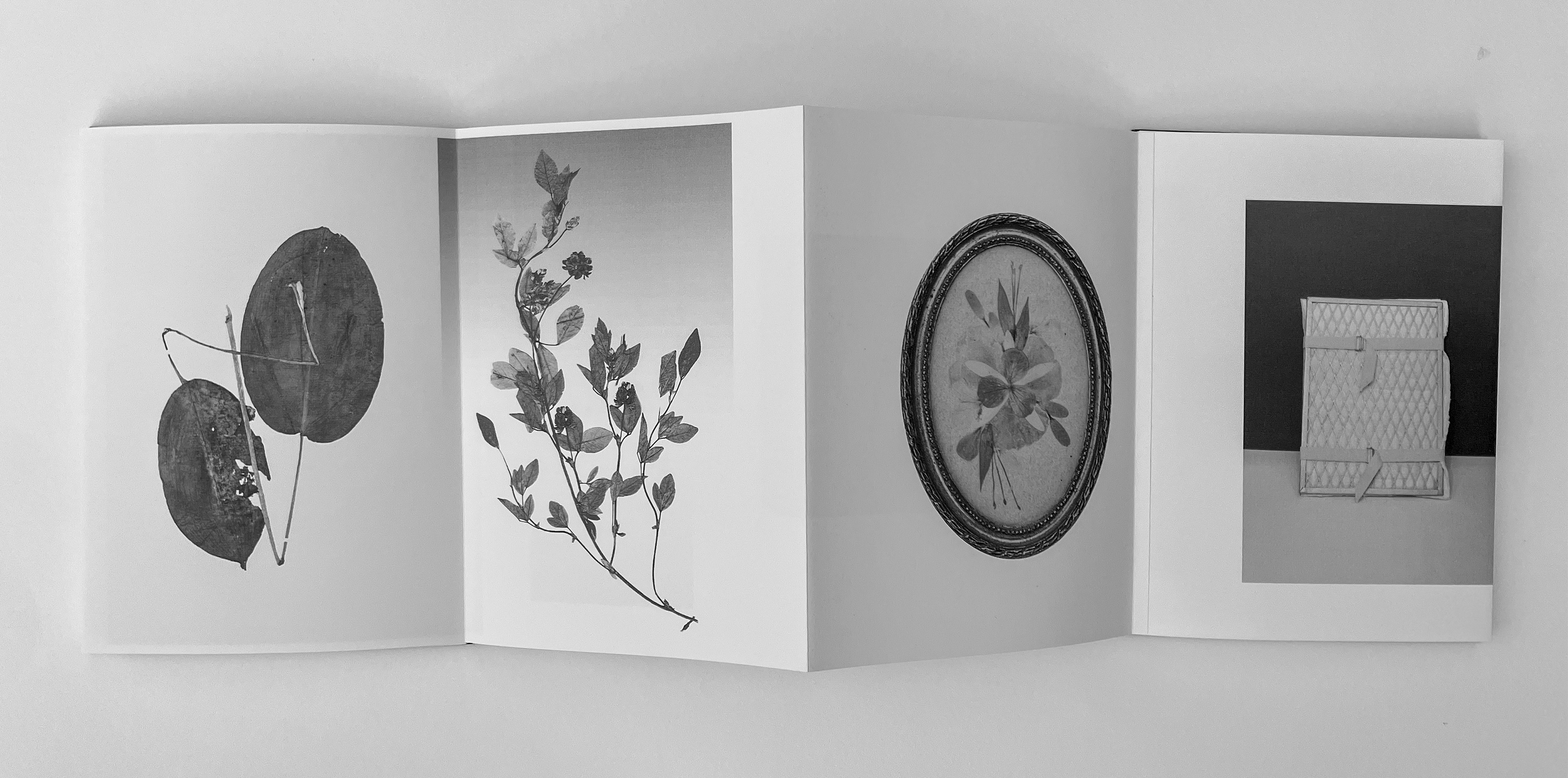
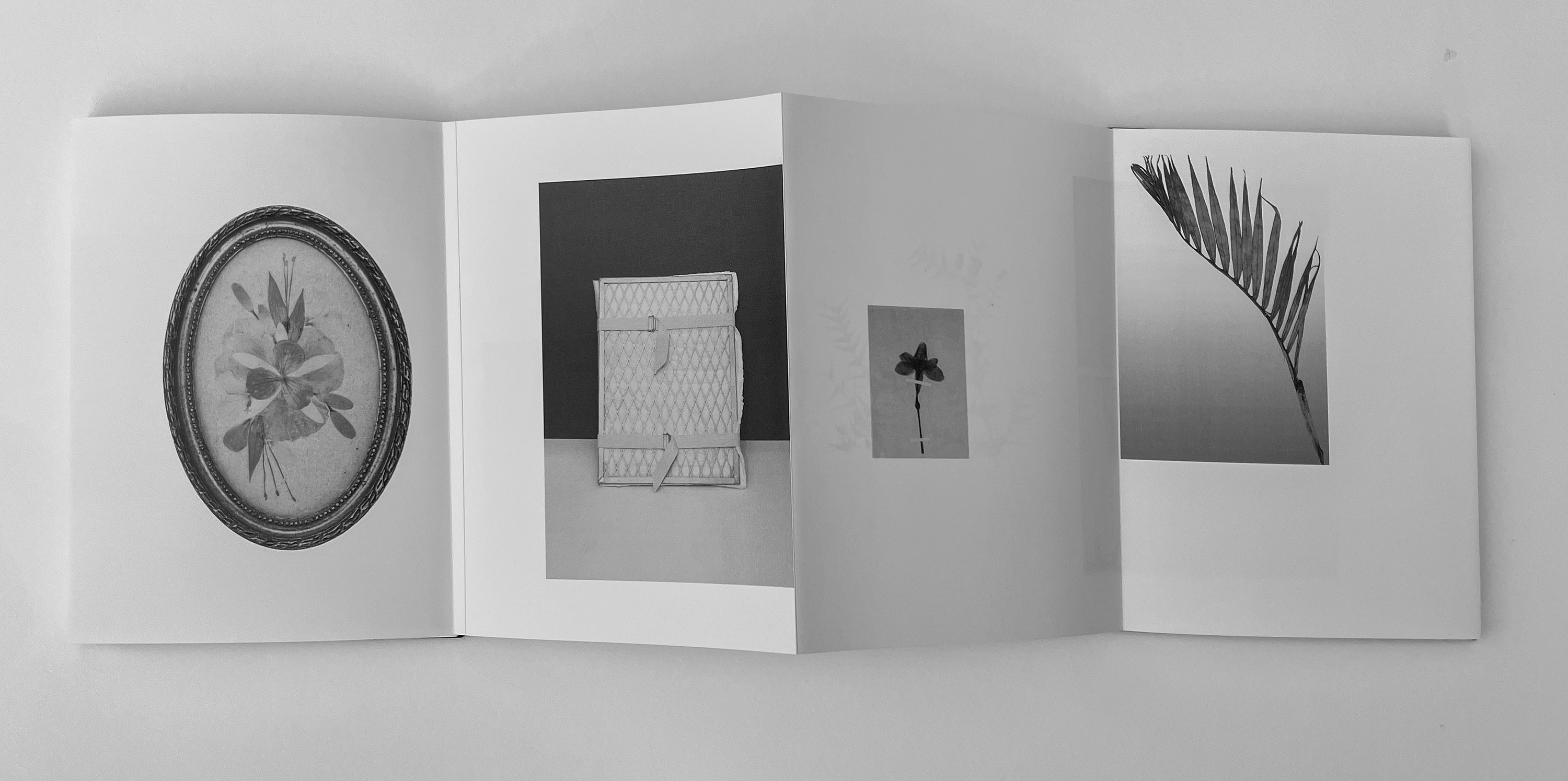
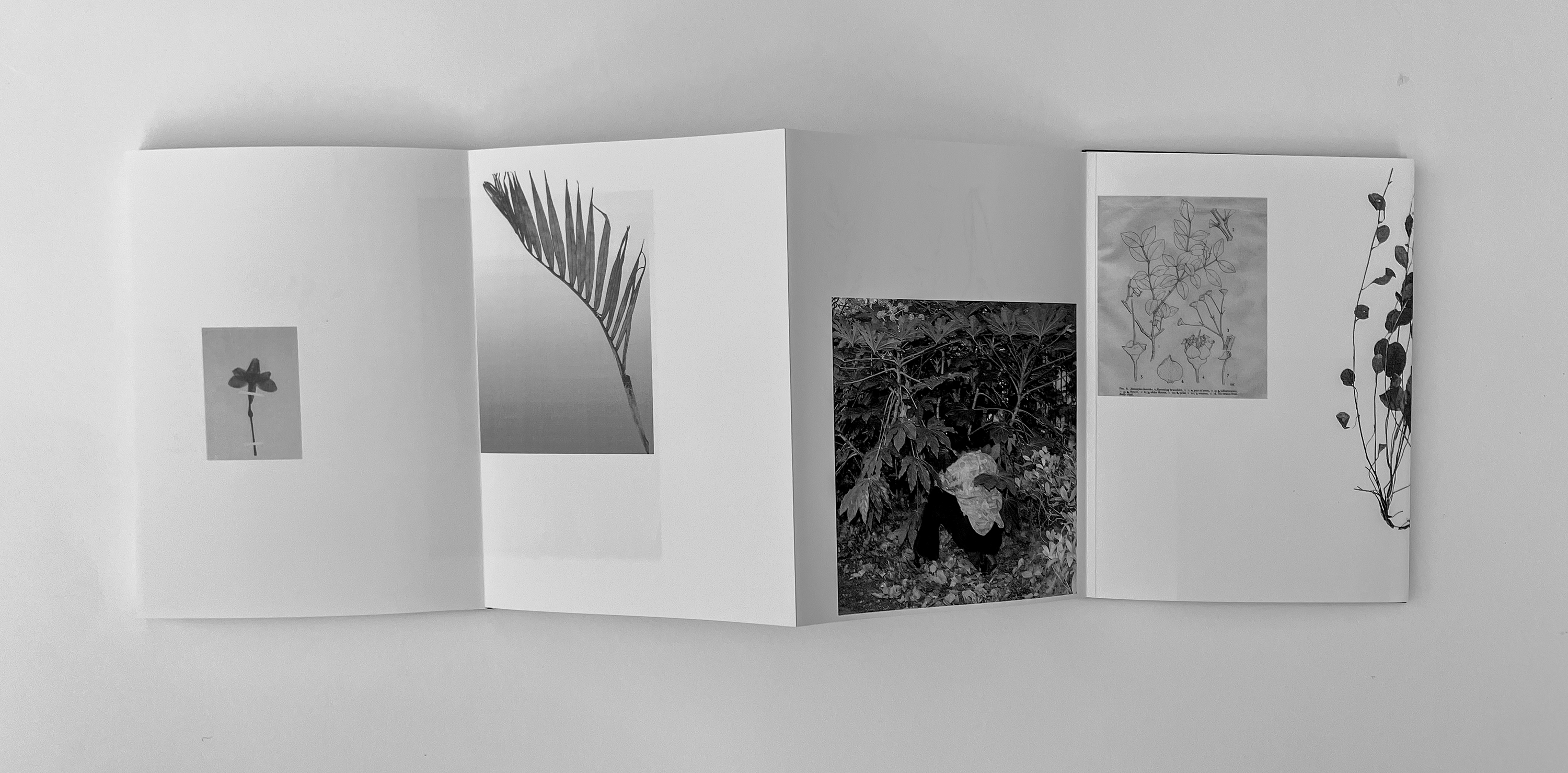
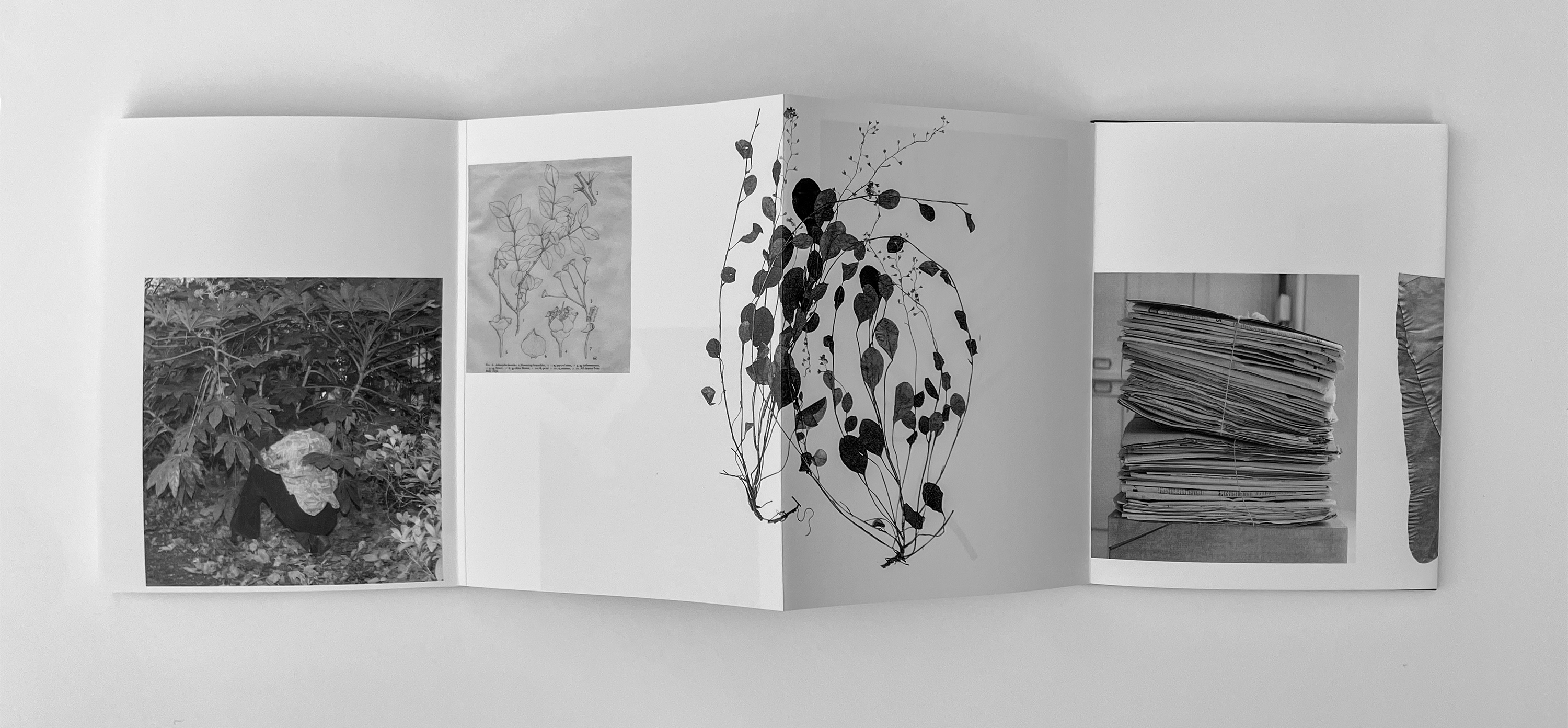
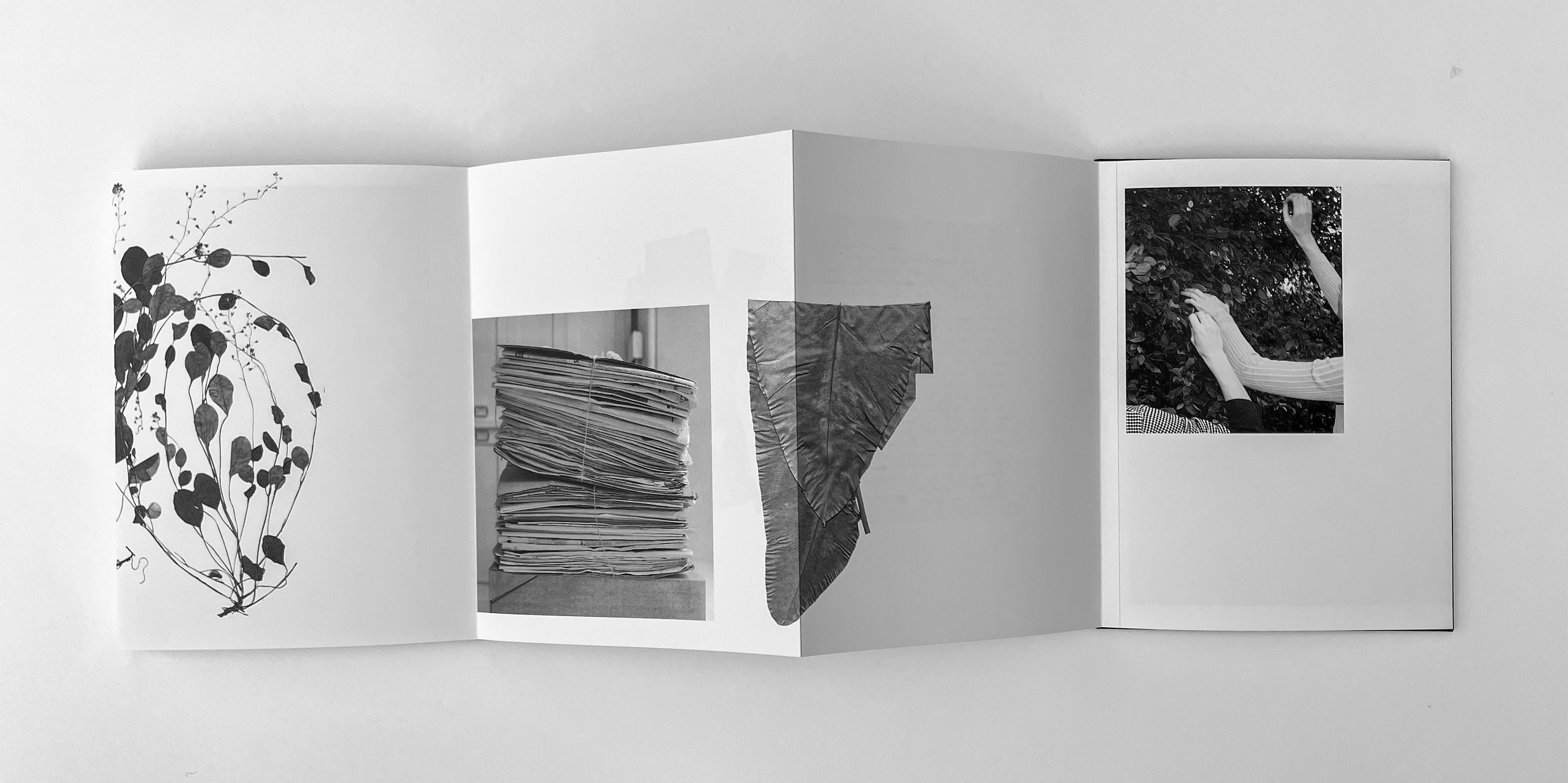
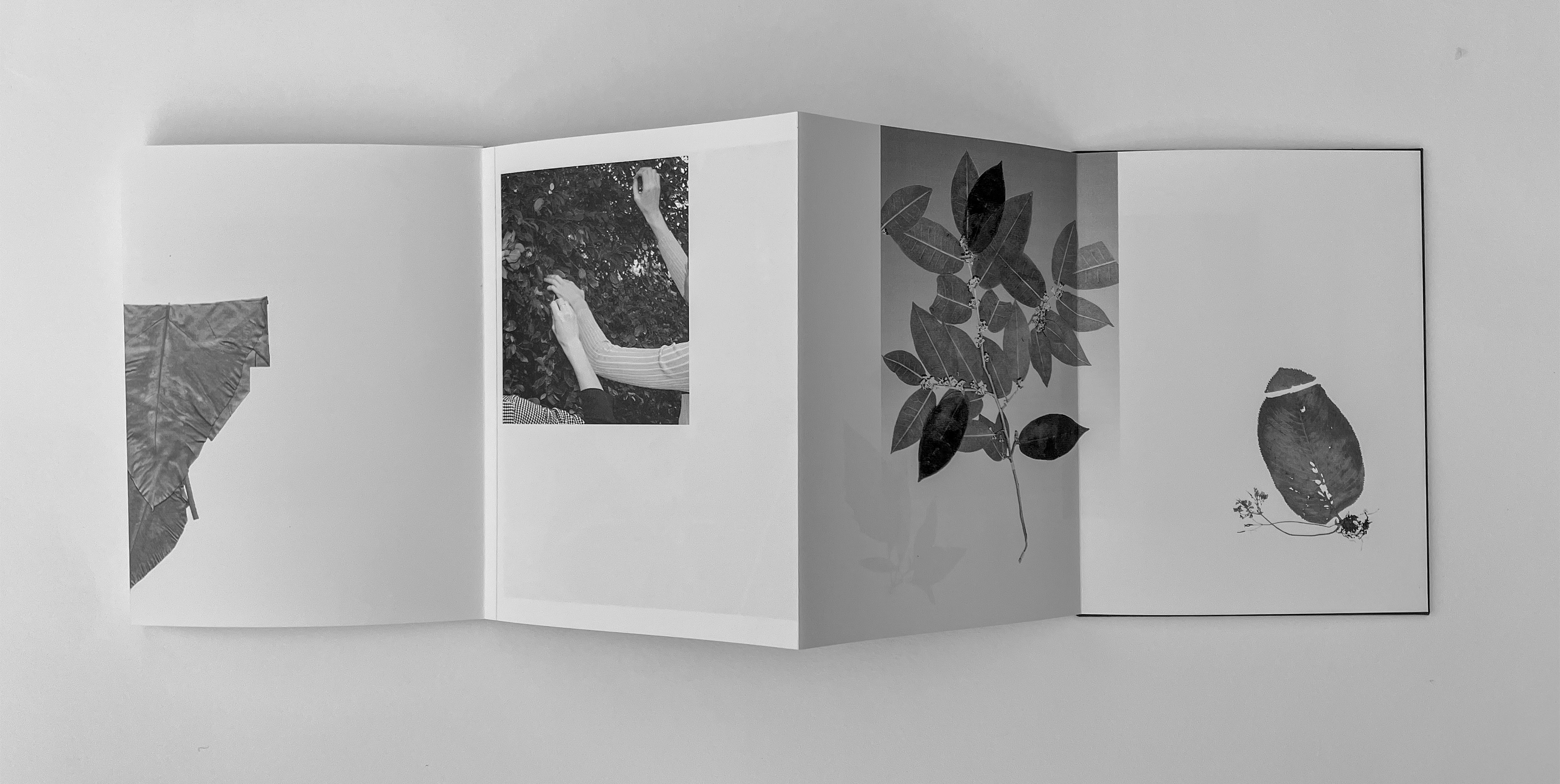
The Herbarium of Extinction interweaves subjective and scientific approaches to observing and knowing plants. The specimen images in the concertina come from a taxonomic tradition of plant collection, one that privileges systematic observation and classification. Identified by the artist using Redlist data (from the International Union for the Conservation of Nature), the images are digital manipulations of scientific scans originating from Kew Gardens Herbarium. The institutional marks and identifying data have been erased by the artist, a gesture that echoes the invisible stories of violence behind the images, and which isolates the specimens as fossil-like objects. The specimens come from all over the world, and date as far back as 1840. Their names, descriptions and conservation status are re-presented separately from the images. These acts of transformation destabilise the archive and invite us to think about the relationship between images and knowledge.
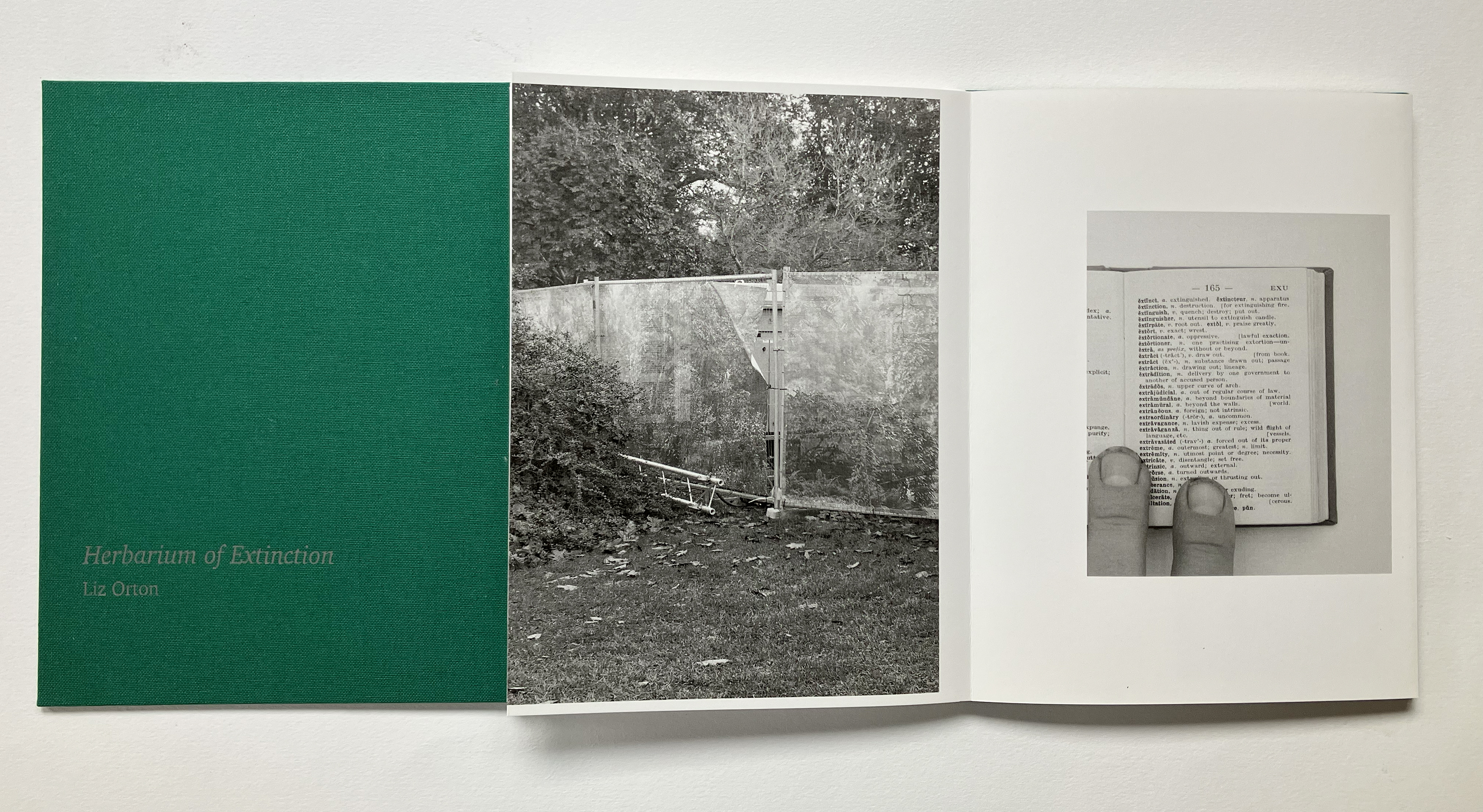
The specimens are accompanied by Orton’s own photographs. Documenting improvised gestures of touch, as well as objects of conservation, she creates a visual field that combines personal and institutional evidence of botanic care.
Herbarium of Extinction was made by Bookworks, funded by a research grant from the University of Arts London. 20cm x 170cm, Gmund Blocker paper.